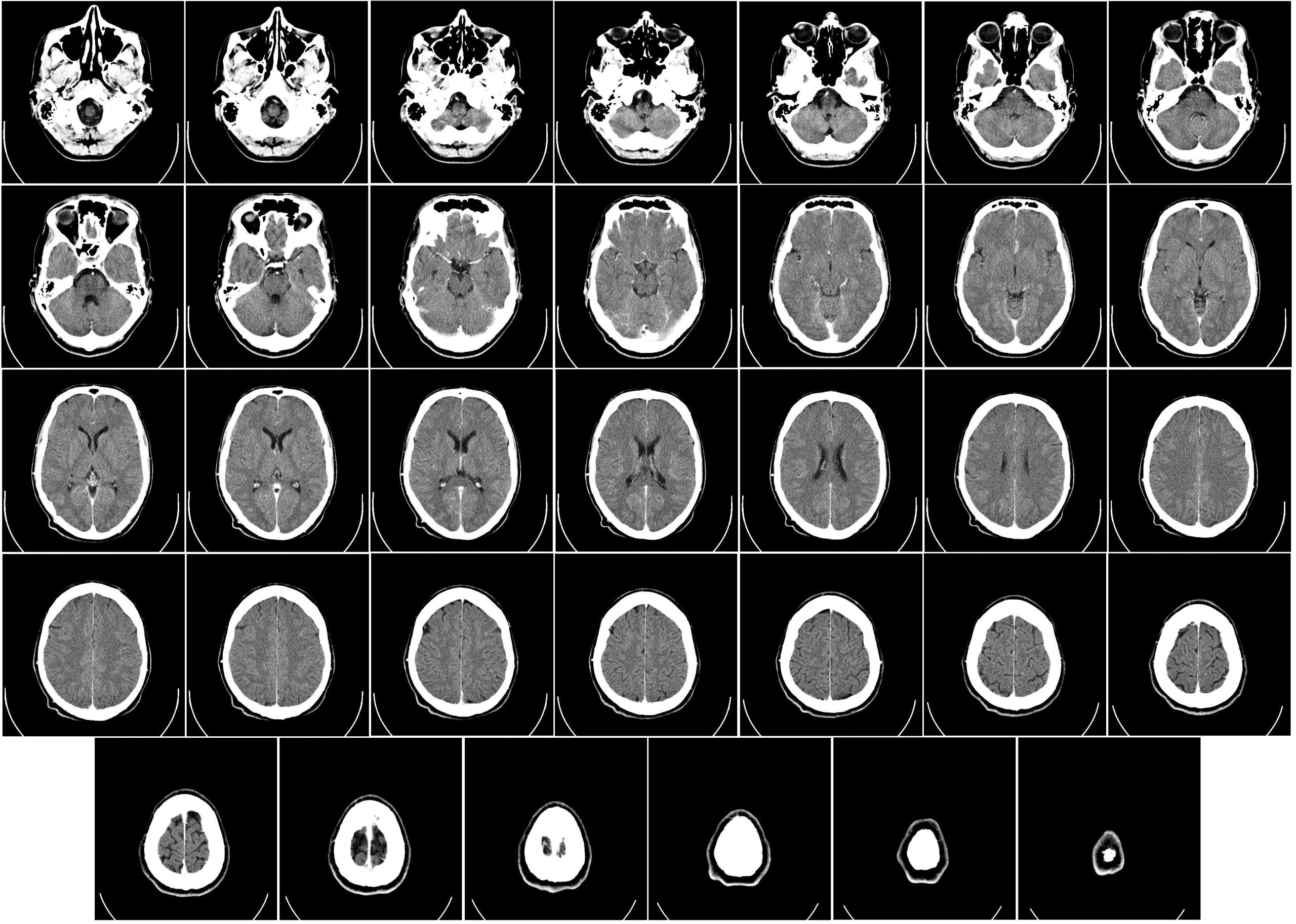
A radiography course is a course that teaches students how to operate special scanning machines that make images for medical diagnosis using medical equipment like X-ray machines, CT scanners, and advanced technologies that are used for medical practices.
Those who completed radiography and are licensed by the professional in charge of radiography are called radiographers.
Radiographers are medical practitioners that operate machines that scan the human body, and they work in hospitals alongside doctors to diagnose sicknesses or diseases. When radiographers scan bodies using scanning machines, they can’t interpret these images except through the help of radiologists.
Radiographers are not limited to scanning machines alone in the hospital; they also work alongside doctors in surgery rooms, emergency rooms, cardiac care, intensive care, and patients’ rooms, and because of these, their duration of study is in proportion with nursing.
Radiography is a top course in Nigeria, standing on the shoulders of courses like medicine and surgery, nursing, and pharmacy, and this is because of its relevance to today’s healthcare sector and mostly because of global relevance with the same as other healthcare practitioners and practices.
If you are a Nigerian student or anywhere across the nation who just finished secondary school or high school or someone who is looking for change in career and you want to take a radiography course, then you are in the right place, as we will expose you to all that pertains to radiography courses in this article.
Olabisi Onabanjo University Courses, Cut-off mark and admission requirements for 2026/2027
Covenant University Courses,Cut-off mar For 2026/2027k and admission requirements
Types of Radiography Courses
● Diagnostic Radiography
Diagnostic radiography focuses on using scanning machines in order to detect and diagnose sickness or injuries inside the body.
● Therapeutic Radiography
Therapeutic radiography can also be known as radiation therapy. Therapeutic radiography makes use of controlled radiation to treat diseases, most especially cancer.
● Radiography and Radiation Science
Radiography and radiation science are academic disciplines unlike the others, which are practical. Radiography and radiation science combine medical imaging with the scientific principle of radiation.
● Medical Imaging Technology
Medical imaging technology is a branch of radiography that is focused on the maintenance, management, and operation of imaging equipment and machines that are used for scanning.
Duration of Radiography Course in Nigeria
The radiography course is only offered at the university across all of Nigeria; it is the only higher learning institution that is licensed to offer the radiography course in Nigeria, and the duration of the course typically takes 5 years, and the internship period will take one year, which is 6 years plus one year of National Youth Service Corps (NYSC), which is compulsory.
Admission Requirements for Radiography Course in Nigeria
● O’Level Requirements
Candidates must have at least five (5) credits, including the following: English Language
Mathematics, Physics, Chemistry, Biology
in not more than two sittings in
WAEC, NECO, NABTEB
JAMB Subject Combination for Radiography
English Language (compulsory) Physics
Chemistry, Biology
JAMB Cut-off Mark for Radiography in Nigeria
The JAMB cut-off mark for the Radiography course in Nigeria is based on the university you intend to study Radiography courses at.
Federal Universities’ JAMB cut-off marks for the Radiography course are typically higher compared to state universities, while private universities’ are relatively low.
The JAMB cut-off mark for radiography in federal universities ranges from 250 to 300, while state universities range from 200 to 250, and private universities can range from 180 to 200.
List of Subjects in Radiography Course
During your duration of years studying the radiography course in Nigeria or anywhere across the globe, you will come across various subjects and concepts like
● Human Anatomy
● Human Physiology
● Radiation Physics
● Radiographic Techniques
● Pathology
● Medical Imaging
● Radiobiology
● Radiation Protection
● Clinical Radiography
● Patient Care
How Much Are Radiography School Fees in Nigeria?
School fees for the Radiography course in Nigeria depend on whether the university is a state, federal, or private university. Below are the average school fees for the Radiography course in Nigeria:
● Federal Universities
₦250,000–₦300,000 per session
● State Universities
₦ 250,000 – ₦500,000 per session
● Private Universities
₦500,000 – ₦1,500,000 per session
Is Radiography a Competitive Course in Nigeria?
The Radiography Course is a competitive course in Nigeria because of the following:
● Medical and health science course
The Radiography Course is a competitive course in Nigeria because it is a medical and health science course that falls in the category of courses like medicine and surgery and nursing science. Medical and health courses in Nigeria offer strong job opportunities after graduation, and so many students love to study the courses, hence brewing strong competition.
● Limited admission slots
Admission slots for the Radiography Course in every university are limited because of strict criteria set by the National Universities Commission (NUC) and the professional body to ensure facilities are in place to cater to a certain number of students, hence limiting the number of students that can be admitted compared to other courses.
●High demand in hospitals
Radiography is a competitive course because it is highly demanded in hospitals, hence leading to a high number of people applying for the course.
Career Opportunities for Radiography Graduates
● Radiographer
● Medical Imaging Specialist
● MRI Technician
● CT Scan Technician
● Radiation Therapist
● Sonographer
● Hospital Administrator
● Lecturer / Researcher
Employment sectors:
● Hospitals
● Diagnostic centers
● Teaching hospitals
● Research institutes
● Private clinics
Salary of Radiographers in Nigeria
The salary of radiographers in Nigeria differs, and this is mainly due to factors like experience level and the hospital; federal hospitals tend to pay a higher salary compared to state hospitals, while most of the time private hospitals pay higher than other hospitals across Nigeria. Below is the average salary of radiographers in Nigeria.
● Entry Level
₦120,000 – ₦180,000 per month
● Mid-Level
₦200,000 – ₦350,000 per month
●Senior Level
₦400,000+ per month
Private hospitals and overseas jobs may pay more, and that is why it is highly recommended if you want a high-paying salary.
Professional Body for Radiographers in Nigeria
Radiography is a professional course, and every professional course in Nigeria and globally is regulated by a professional body.
In Nigeria’s sphere and jurisdiction, the professional body for radiography practitioners in Nigeria is the Radiographers Registration Board of Nigeria (RBBN).
You need an RBBN-accredited certificate to work as a radiographer in Nigeria, and also the institution you intend to study radiography at must be accredited by this body.
The Radiographers Registration Board of Nigeria (RBBN) is saddled with the roles of licensing radiographers, regulating training, and also maintaining professional standards that pertain to radiography.
Is Radiography a Good Course to Study in Nigeria?
Radiography is one of the good courses that you can study in Nigeria, and some factors that indicate that the course is a good course are indicated below:
● High employability
Radiography has high employability compared to most courses that are studied in Nigerian universities; the chances of getting employed after studying radiography in Nigeria and even globally are high.
● Growing healthcare demand
Radiography is relevant to modern-day healthcare demands, and that is why it is demanded across the world and even in Nigeria, which needs his profession for proper diagnosis of sicknesses and wounds.
● Good salary prospects
The modern world is operated through economics, so having a job that pays you a better salary will give you an edge. Radiography offers a good salary prospect, most especially if you work outside the country.
● Opportunities abroad
Healthcare practitioners are in demand globally, and radiography is part of the profession that is also in demand globally, hence providing the opportunity of working abroad.
● Professional career stability
Radiography offers a professional career stability because of its relevance and also its integration with technology-based medical practices.
Best Universities to Study Radiography Courses in Nigeria
Top Federal Universities for Radiography
● University of Lagos (UNILAG)
● University of Nigeria, Nsukka, Enugu (UNN)
● University of Calabar
● Ahmadu Bello University
● University of Maiduguri
● Obafemi Awolowo University
● University of Ibadan
Best State Universities for Radiography
● Lagos State University
● Nnamdi Azikiwe University
● Imo State University
Best Private Universities Offering Radiography
● Babcock University
● Lead City University
● Bowen University
Frequently Asked Questions (FAQs) About Radiography Course
● What is the cut-off mark for radiography?
Cut-off marks for radiography range from 230 to 350.
● How many years is the radiography course?
The radiography course is for a duration of 5 years at maximum.
● Can I study radiography without physics?
No, physics is required if you want to study radiography in Nigeria.
● Is radiography a medical course?
Yes, because their field of work is related to the medical field.
● Can I study radiography in private universities?
Yes, you can as long as the private university is accredited by RBBN to offer radiography.
Conclusion
Radiography is a good medical course that you can study in Nigeria if you are not opportune to study medicine and surgery or nursing.
While nursing is a great course, one problem that students might face when they graduate is that the university where they studied is not accredited. This can lead to wasted time, and that is why it is compulsory that you research whether the university where you are studying radiography is accredited, most especially private universities.

Freeman is an education writer and the founder of Edulify. He has over four years of experience researching Nigerian universities, admissions, courses, and academic opportunities. His goal is to provide students with accurate, well-researched, and easy-to-understand educational guides to help them make informed academic decisions.